

The making of mouth-blown glass - visiting our factory from 1712


300 years and still going strong
The factory is beautifully located in the mountains, about a two-hour drive from Prague, and looks much as it did when it was established in 1712.
It is one of the country’s oldest glassworks, if not the oldest. For over 300 years, they have excelled in mouth-blown glass and employed some of the country’s most skilled artisans, whose families have been blowing glass for generations.
Bohemia has been known for its glassmaking traditions for centuries, and the region remains synonymous with exceptional craftsmanship and clarity.
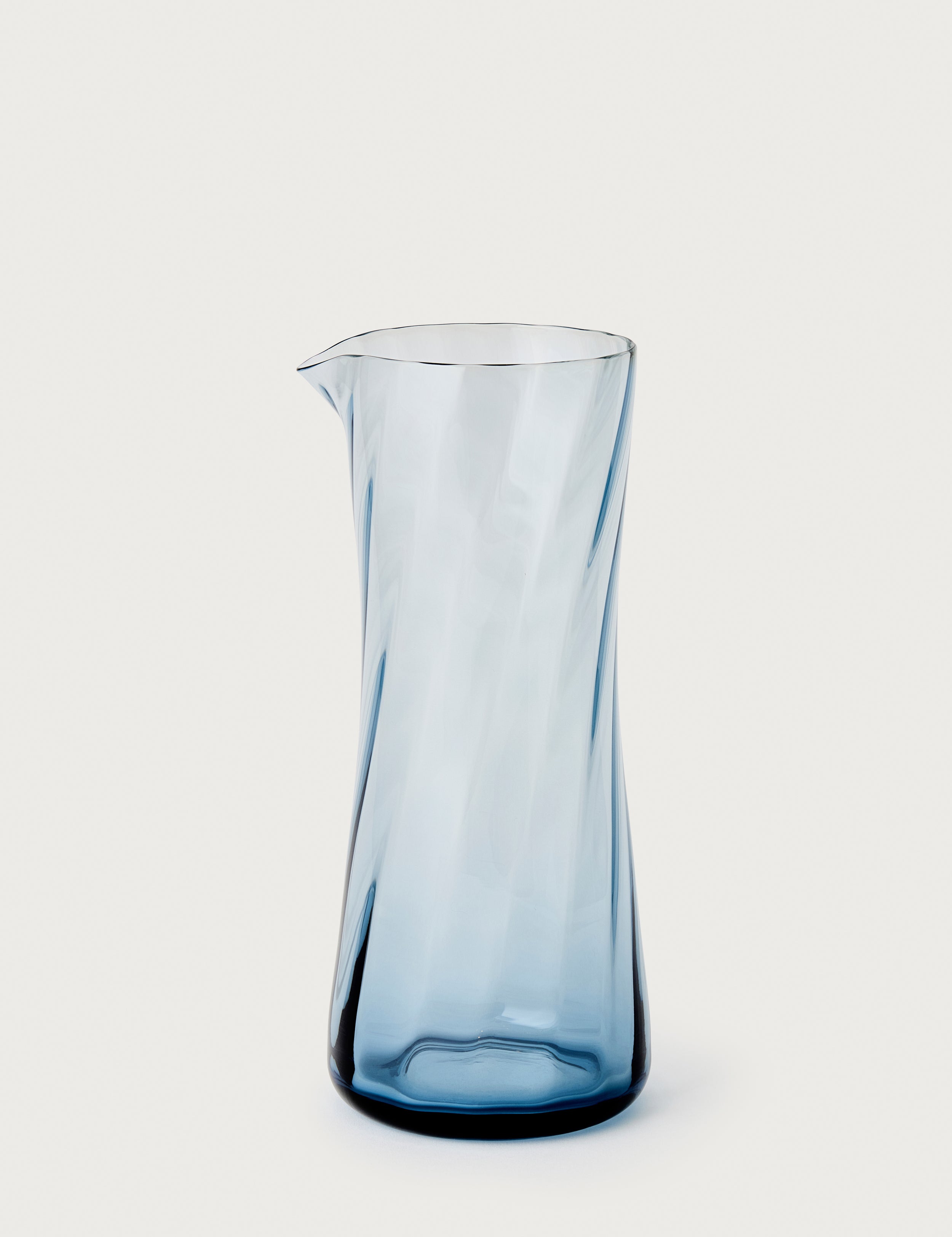
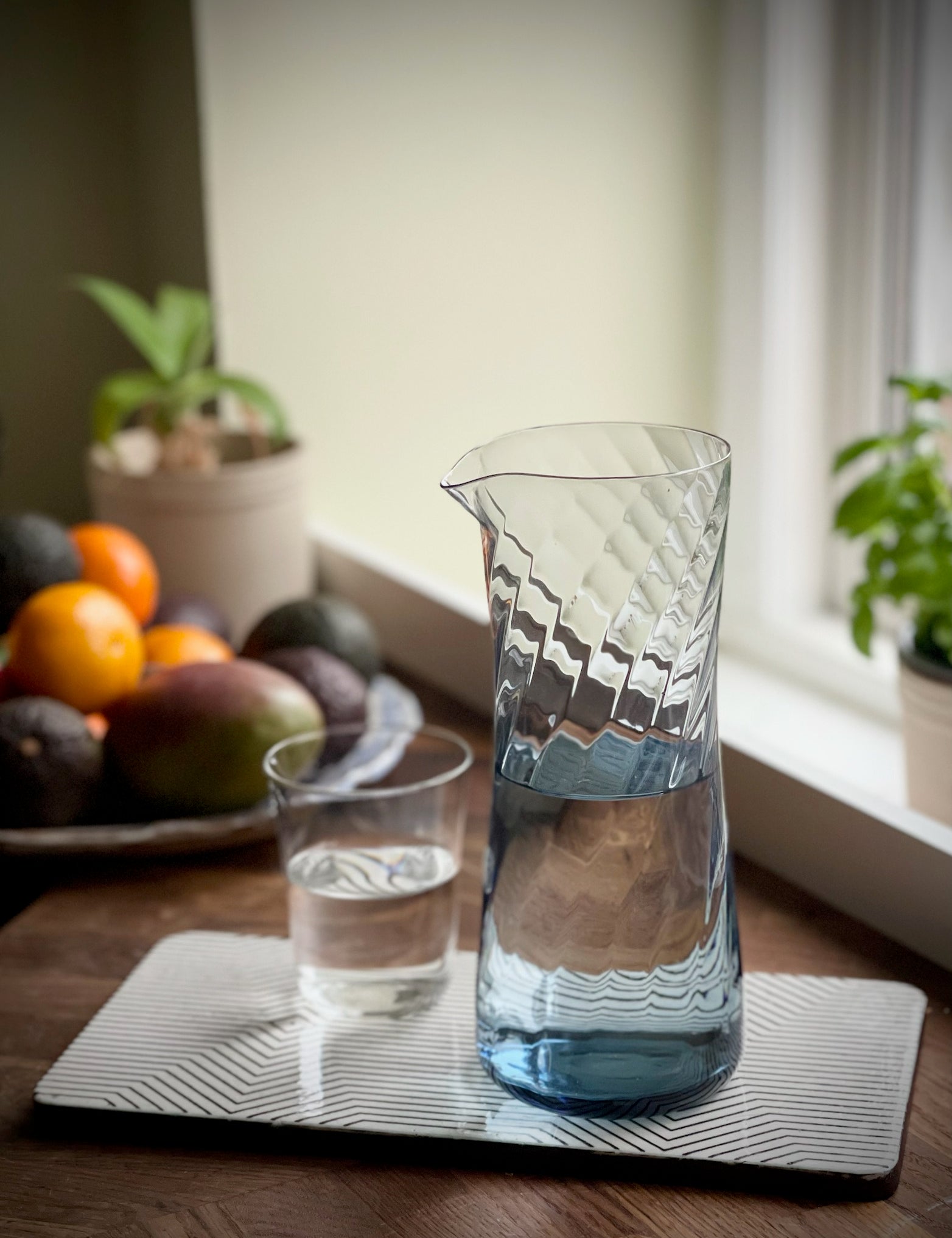
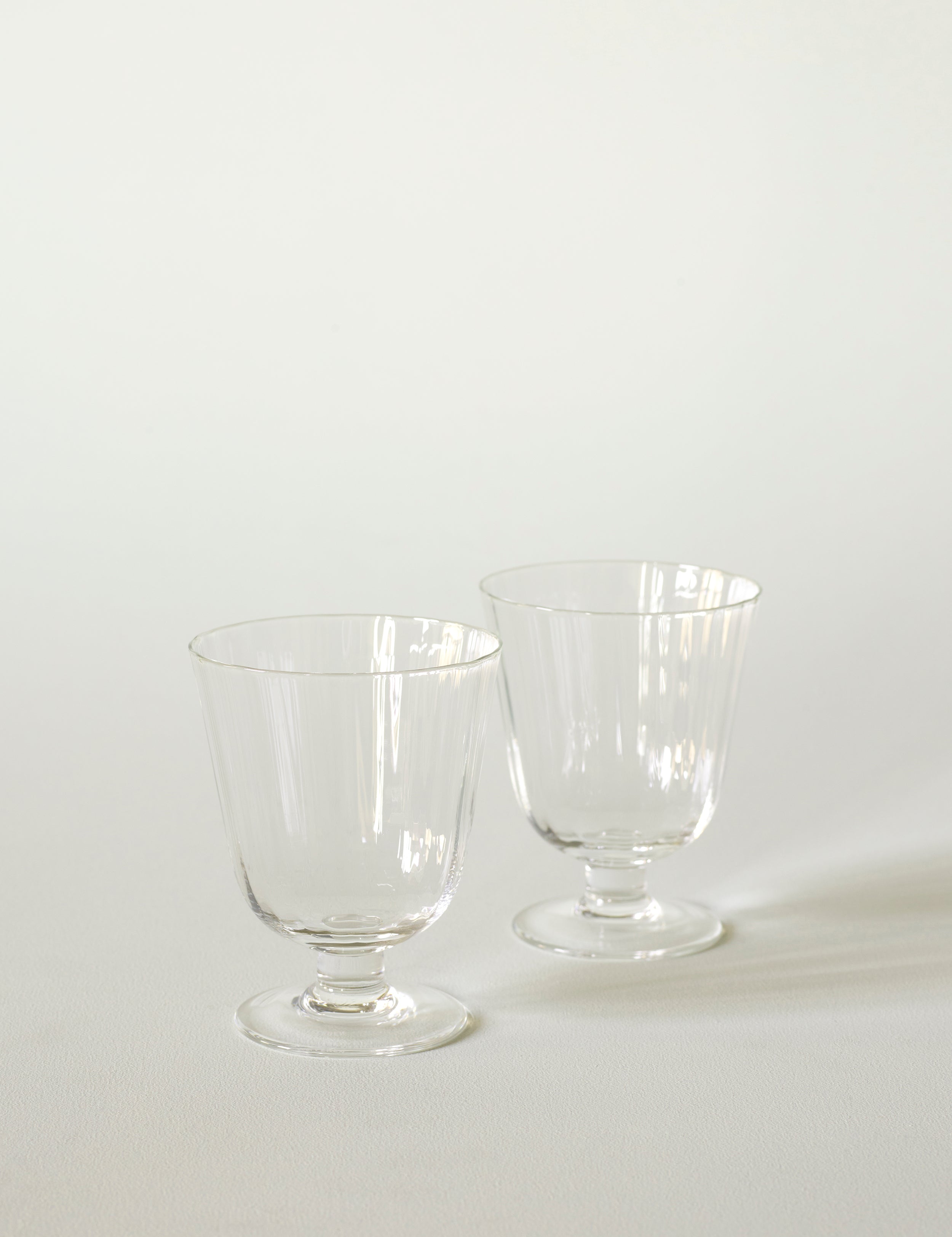
The making of Concave Glassware
We were quite literally blown away by the sense of history inside the original glass forge, where 1,200 degree hot glass flowed in large vats in the round furnace at the center.
Around it, the glassblowers moved with calm precision, gathering glass from the oven on their pipes, blowing and shaping the most beautiful objects, from small detailed glasses to impressive large vases.
It was hot, very hot, and required immense strength to handle the material and achieve perfection in every piece.
We were invited to try ourselves, and we have to admit that it may be some time before we are able to blow even something the size of a small pea.
The small team dedicated to our designs blew both glasses and vases while we stood there. It was an extraordinary experience to see our designs brought to life.

The process of mouth-blowing glass
The process of mouth blowing begins, whether it is a vase or a drinking glass, with a small gathering of glass into which the glassblower blows air. More material is then added and gradually blown larger. It is a slow and highly meticulous process.
When the desired size is achieved, the glass sphere is blown into a mould with ridges on the exterior. The glass is blown, shaped and turned on the pipe until the correct form and structure are achieved.
It is then carried to the oven where it must anneal for 24 hours. The annealing process removes internal tensions that arise during shaping, ensuring that the glass does not crack later on. Finally, the glass is cut, ground and polished.
Our drinking glasses in the Concave Tableware series also go through a four-polish process to ensure round, soft edges.


The factory we collaborate with works exclusively with solid colored glass, meaning the colour runs all the way through, as opposed to glass where the colour is only applied on the surface. Solid colored glass creates an entirely different depth and richness in tone.
While we were there, we spent a great deal of time in their remarkable archives of historic Bohemian glass art, and we worked on new samples and colors for the Concave Glassware series.


Prague sightseeing
After a long and inspiring day, we drove back to Prague in the evening to our hotel, located in an old monastery in the historic center.
We also had time to dine at a local beer hall, climb Prague Castle, Pražský hrad, and discover antique glass treasures in the small shops along the way.
If you are planning a visit yourself, we can warmly recommend the Museum of Decorative Arts, which houses an exceptional collection of European glass, ceramics, textiles and furniture from the Middle Ages through to the 21st century.




SOON IN STOCK


SOON IN STOCK